
Category: Learn CPE
-

CPE is More Than A Boring Task
For many CPAs, continuing professional education (CPE) can feel like one more administrative task to squeeze into an already full schedule. But in reality, your state’s CPE requirements are much more than a regulatory hoop — they’re an investment in your credibility, confidence, and long-term career success. The Purpose Behind CPE Every state board of…
-
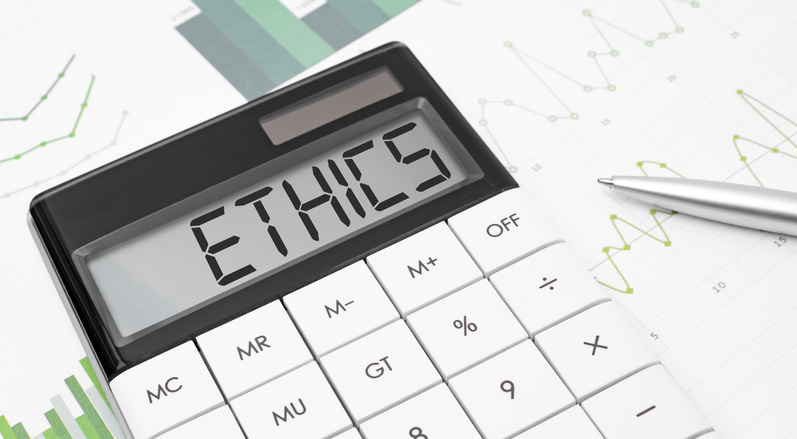
How Ethics and Trust Link to Modern Finance
In finance, numbers are only half the story. Behind every spreadsheet, report, and audit lies something less visible but infinitely more powerful — trust. And trust begins with ethics. Why Ethics Still Matters in Modern Finance Ethics is often discussed in abstract terms — “doing the right thing,” “acting with integrity” — but in finance,…
-

Turning Your CPE Hours into Career Growth
Your CPE hours can do more than renew your license—here’s how to turn them into real professional momentum.
-

Missed Your CPE Deadline? Here’s How to Fix It
Missed your CPE hours? Don’t panic. Here’s what to do next—and how to avoid falling behind again.
-

Important: How CPE Protects Your Reputation
Continuing education does more than update your knowledge—it safeguards your credibility and reduces professional risk.
-
North Carolina CPAs: Why Ethics & CPE Fuel Professional Credibility
If you’re a North Carolina CPA, your license demands more than hours — it demands integrity. In a profession where reputation matters, ethics and CPE are your guardrails. 📐 North Carolina’s CPE & Ethics Requirements 🎯 Why Ethics & CPE Matter in North Carolina 1. A license built on public trustThe NC Board expects CPAs…
-
Pennsylvania CPAs: Ethics, CPE Requirements & Professional Trust
When Pennsylvania CPAs hear “CPE,” many think “check the box.” But in Pennsylvania, continuing education — especially ethics CPE — is more than just regulatory compliance. It’s a way to uphold the public trust, sharpen judgment, and differentiate yourself in a crowded market. 📋 Pennsylvania’s CPE & Ethics Requirements 🌱 Why Ethics & CPE Matter…
-
Colorado CPAs: Building Credibility Through Lifelong Learning
Colorado CPAs must complete 80 hours of CPE every two years, including 4 in ethics. With a growing tech and finance sector, professionals are expected to stay on top of emerging challenges like data privacy and automation. The Colorado State Board of Accountancy views ethics as a cornerstone of professional conduct. Taking your CPE proactively…
-
Illinois CPAs: Staying Compliant and Competitive with CPE
In Illinois, CPAs must complete 120 hours of CPE every three years, including 4 in ethics. The Illinois Department of Financial and Professional Regulation (IDFPR) sets this bar to ensure every license holder upholds professional judgment and integrity. Ethics in finance isn’t theoretical here — it’s daily. From Chicago’s financial hubs to local firms, CPAs…
-

Choosing the Right Ethics CPE Course for CPAs
Not all ethics CPE courses are created equal. Learn how to choose the right one for your CPA license renewal.